HOME / NASSAU COUNTY / PLAINVIEW
Service Area · Fast response, 24/7
Plainview homes, like many on Long Island, face real mold risks from aging infrastructure, humid summers, and the wet winters that come with Nassau County's climate. When mold appears after a leak or flood, a local crew that knows Long Island housing stock can respond quickly and work the right way from the start.
(516) 717-9616Tap to call · Answered around the clock
Mold in Plainview
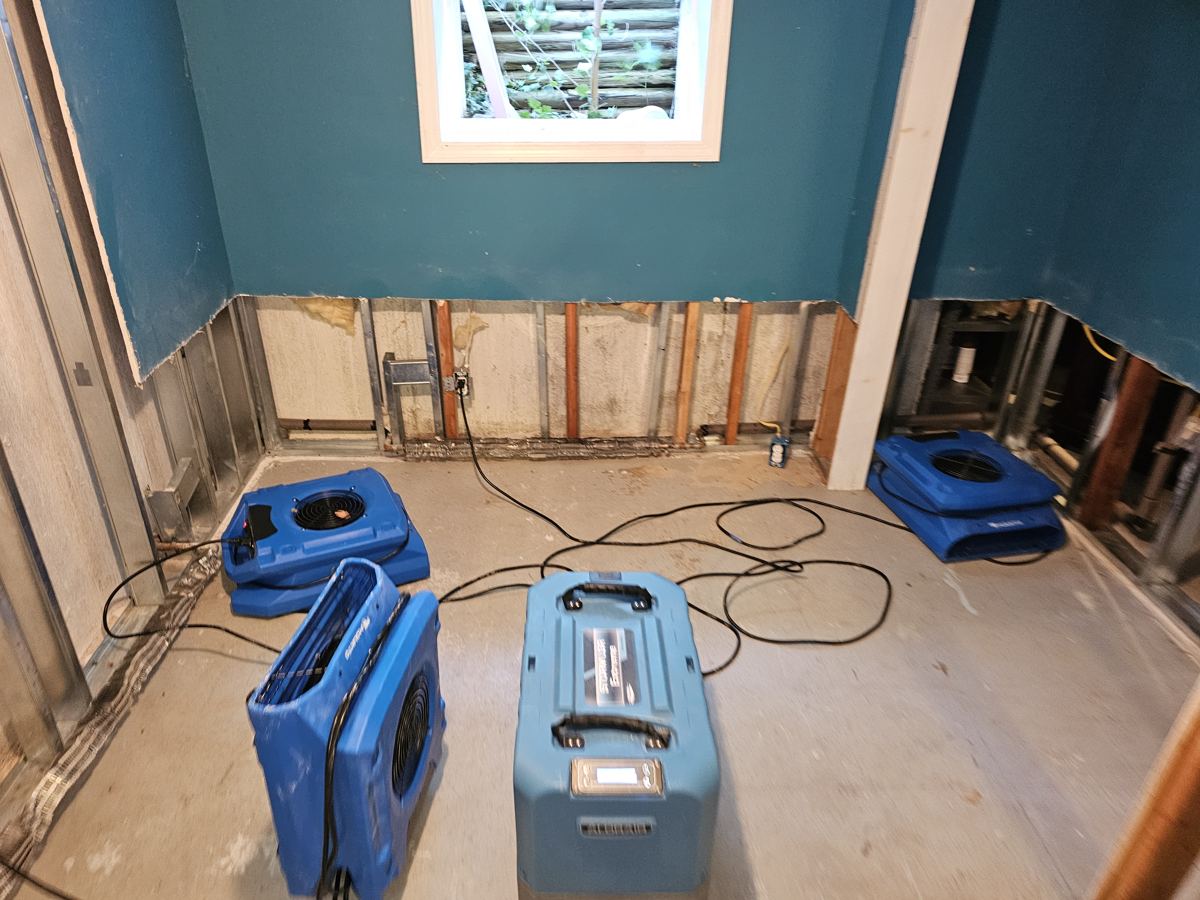
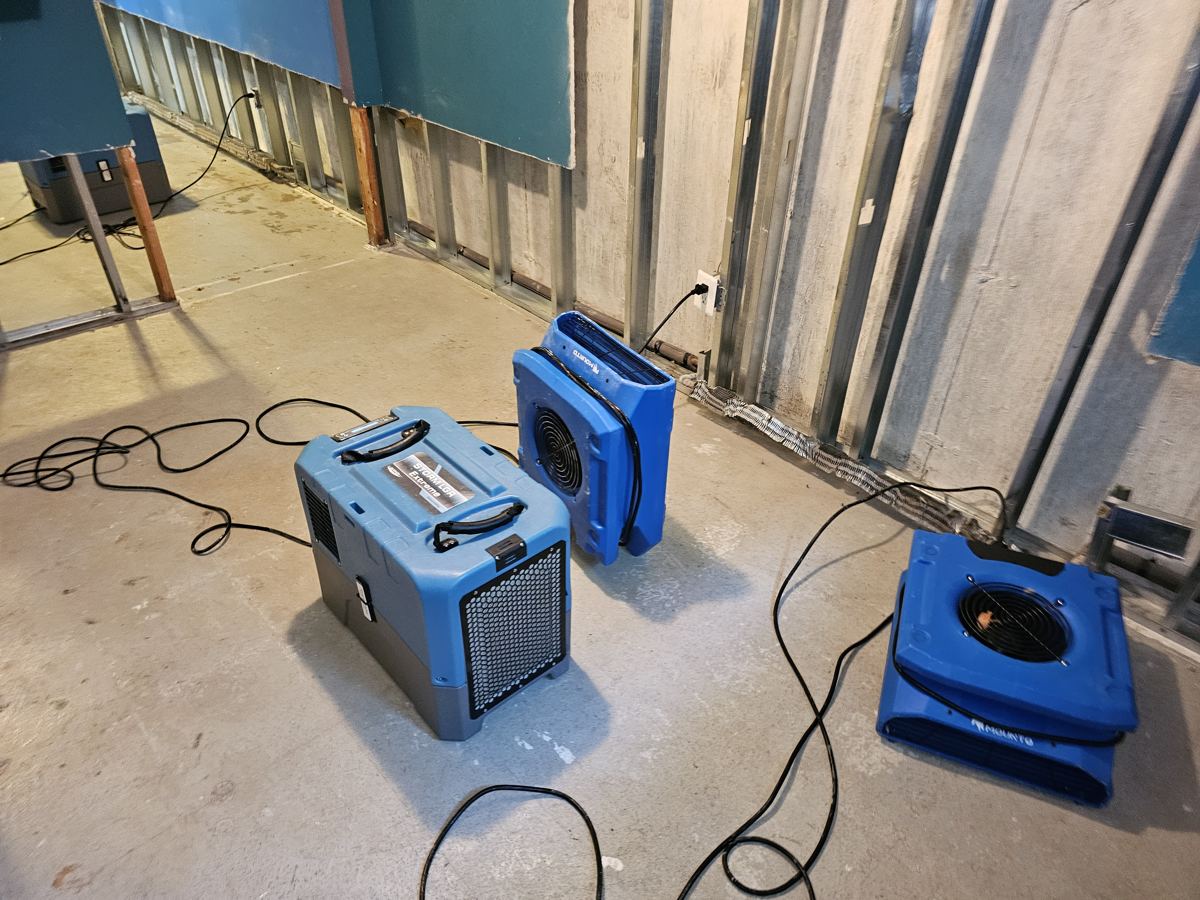
Plainview's mix of older split-levels and ranch homes often have finished basements that trap moisture after heavy rain or a plumbing leak, creating ideal conditions for mold growth behind drywall and under carpeting. Addressing the moisture source first—before any remediation begins—is the only way to keep mold from returning.
Inadequate attic ventilation is a common issue in Long Island homes, and when warm, humid air meets a cold roof deck, condensation builds up and mold can colonize the sheathing and rafters without any visible leak. A thorough inspection of the attic is an important step whenever mold is suspected elsewhere in the home.
Bathrooms and kitchens are frequent mold sites because small, slow leaks under sinks or around tub surrounds often go unnoticed for weeks or months. By the time a musty smell is noticeable, mold may have already spread into the wall cavity behind the tile or cabinetry.
Every service, every day
Burst pipes, appliance failures, flooded basements — extraction, structural drying, and documented moisture verification.
Learn more →SVC-02Emergency board-up, soot and odor removal, structural cleaning, and full rebuild — one company, start to finish.
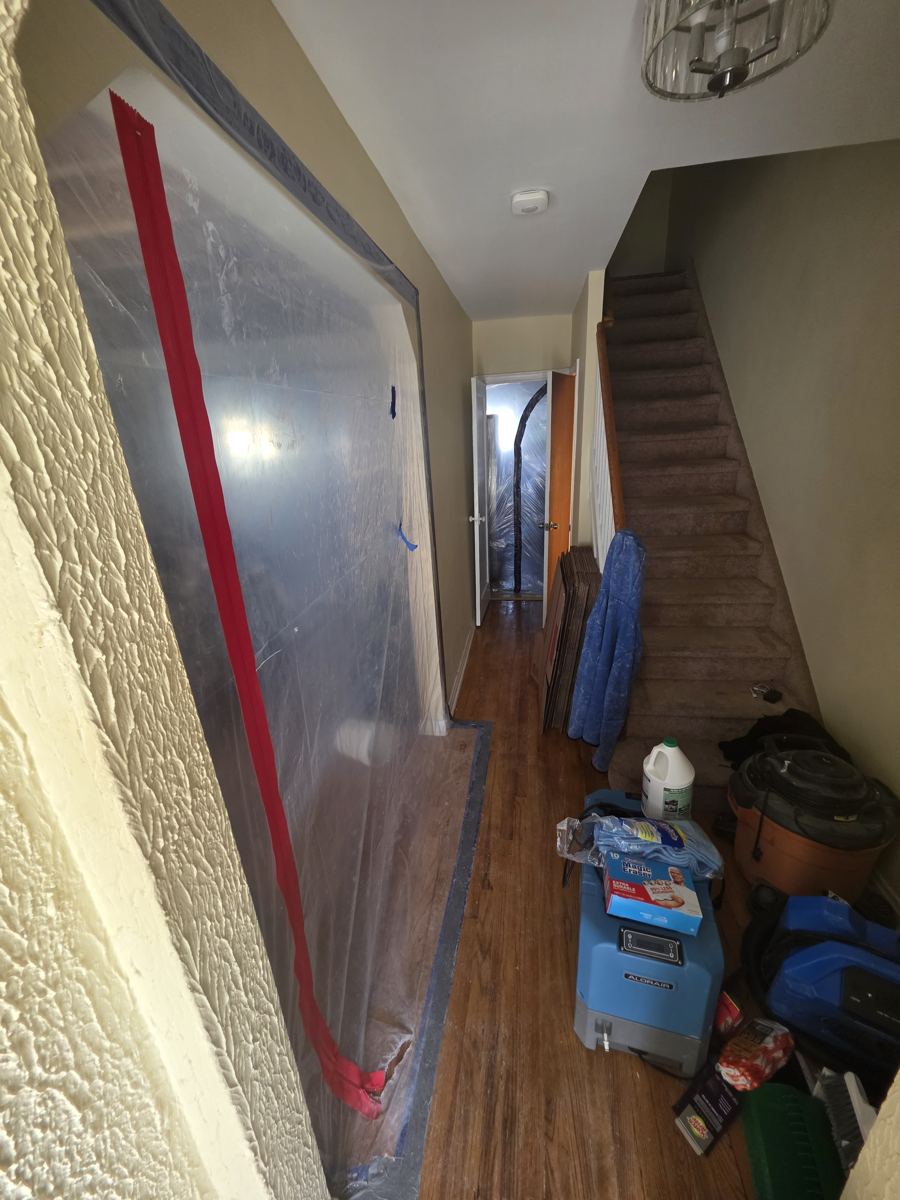
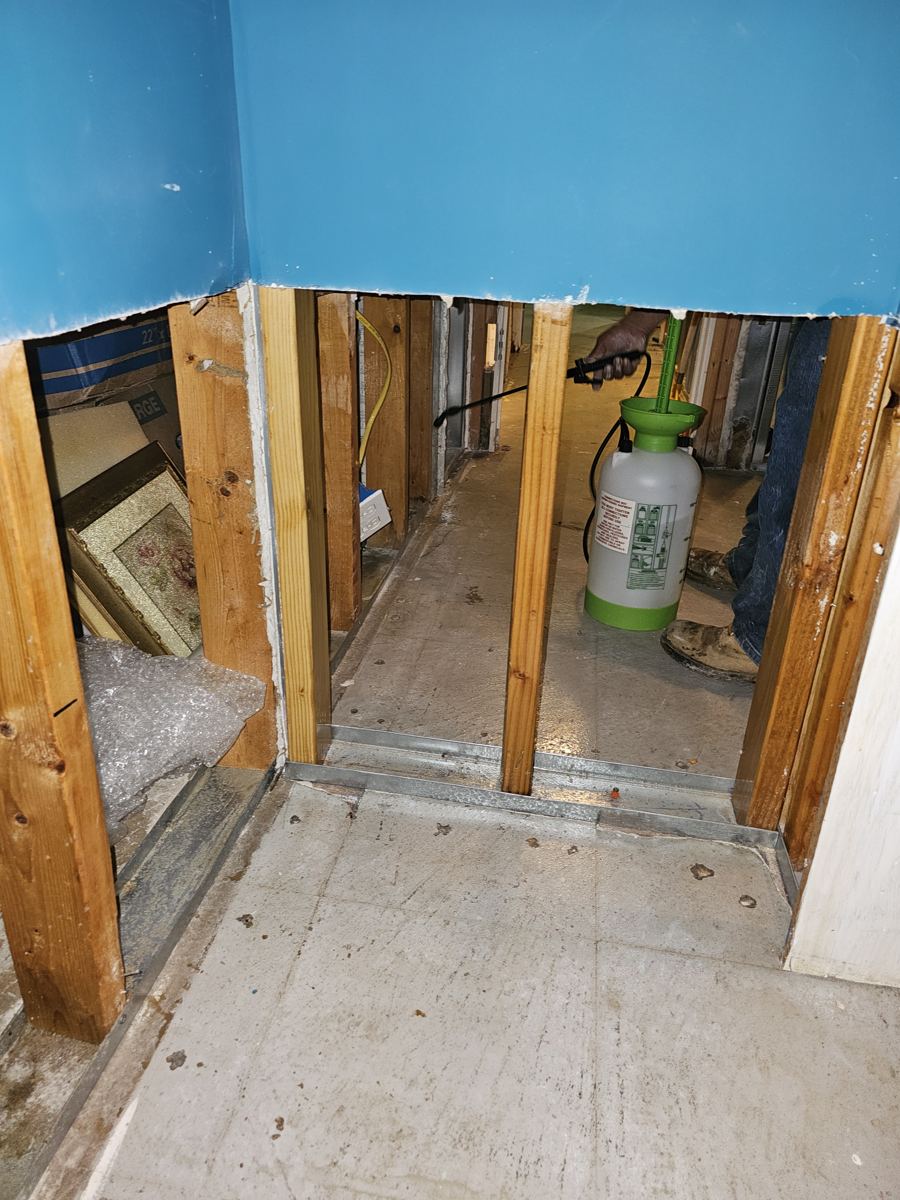
Learn more →SVC-03Containment, removal, and independent clearance verification — done to standard, not sprayed and prayed.
Learn more →SVC-04Nor'easters, hurricanes, wind and flood — tarping, board-up, water mitigation, and rebuild, coordinated with your carrier.
Learn more →SVC-05Category 3 extraction, disinfection, and safe disposal with full PPE protocols — protecting your family from contamination.
Learn more →SVC-06Oil burner misfire coating your home in soot? Specialized cleaning for the messiest loss Long Island winters produce.
Learn more →SVC-07From flood cuts to finished rooms — the same company that dried your home rebuilds it under the same claim.
Learn more →SVC-08Fire, break-in, or storm-exposed structure secured fast, 24/7 — required by most policies to prevent secondary damage.
Learn more →SVC-09Inventoried, photographed, cleaned, and stored in our climate-controlled facility — every item documented for your claim.
Learn more →SVC-10Offices, retail, restaurants, multi-family — after-hours work and priority response agreements that minimize interruption.
Learn more →Coverage
Syosset · Bethpage · Hicksville · Woodbury · Old Bethpage · Jericho · Melville · Cold Spring Harbor · Huntington Station · Farmingdale
// Near Plainview but not listed? Call — we cover all of Nassau County.
What homeowners say
Local questions
Bleach can lighten the surface stain mold leaves behind, but it does not penetrate porous materials like drywall, wood framing, or grout to reach the mold's root structure—so the mold returns. On large affected areas, scrubbing with bleach can also disturb spores and send them airborne throughout the rest of the home. Professional remediation uses EPA-registered products and controlled containment to address mold properly.
Slow, chronic leaks are often worse than a single flooding event because mold has extended time to colonize wall cavities, cabinet interiors, and subfloor material before anyone notices. A professional assessment that includes moisture readings and, where needed, careful inspection behind surfaces will give you an accurate picture of the extent of growth. Catching it early and drying the source completely is the most important step.
Removing mold without eliminating the moisture that feeds it is a temporary fix—mold will recolonize the same area, often within days. Before any remediation work begins, the source of water intrusion, whether a roof leak, plumbing failure, or foundation seepage, needs to be repaired and the affected materials dried to acceptable moisture levels. Remediation and drying are treated as one connected process, not two separate jobs.
Coverage depends on your specific policy and the cause of the mold—sudden, accidental water damage is more commonly covered than long-term seepage or maintenance issues. We document everything your adjuster needs and bill your insurance company directly, so you are not left managing paperwork during an already stressful situation. Reviewing your policy with your insurance agent before work begins is always a good idea.
Real ATC jobs


More ATC services in Plainview
Water Damage Restoration in Plainview · Mold Remediation in Plainview · Sewage Cleanup in Plainview · Fire & Smoke Damage Restoration in Plainview
Every hour of waiting costs you more
Answered 24/7. Tell us your town — we will tell you exactly when we can be there.