HOME / NASSAU COUNTY / FARMINGDALE
Service Area · Fast response, 24/7
Farmingdale homes on Long Island's Nassau County plain face persistent humidity, aging infrastructure, and storm-driven moisture that make mold a real and recurring problem. When mold appears, a local crew that knows the region's housing stock and climate can respond fast, 24/7, and start protecting your home right away.
(516) 717-9616Tap to call · Answered around the clock
Mold in Farmingdale
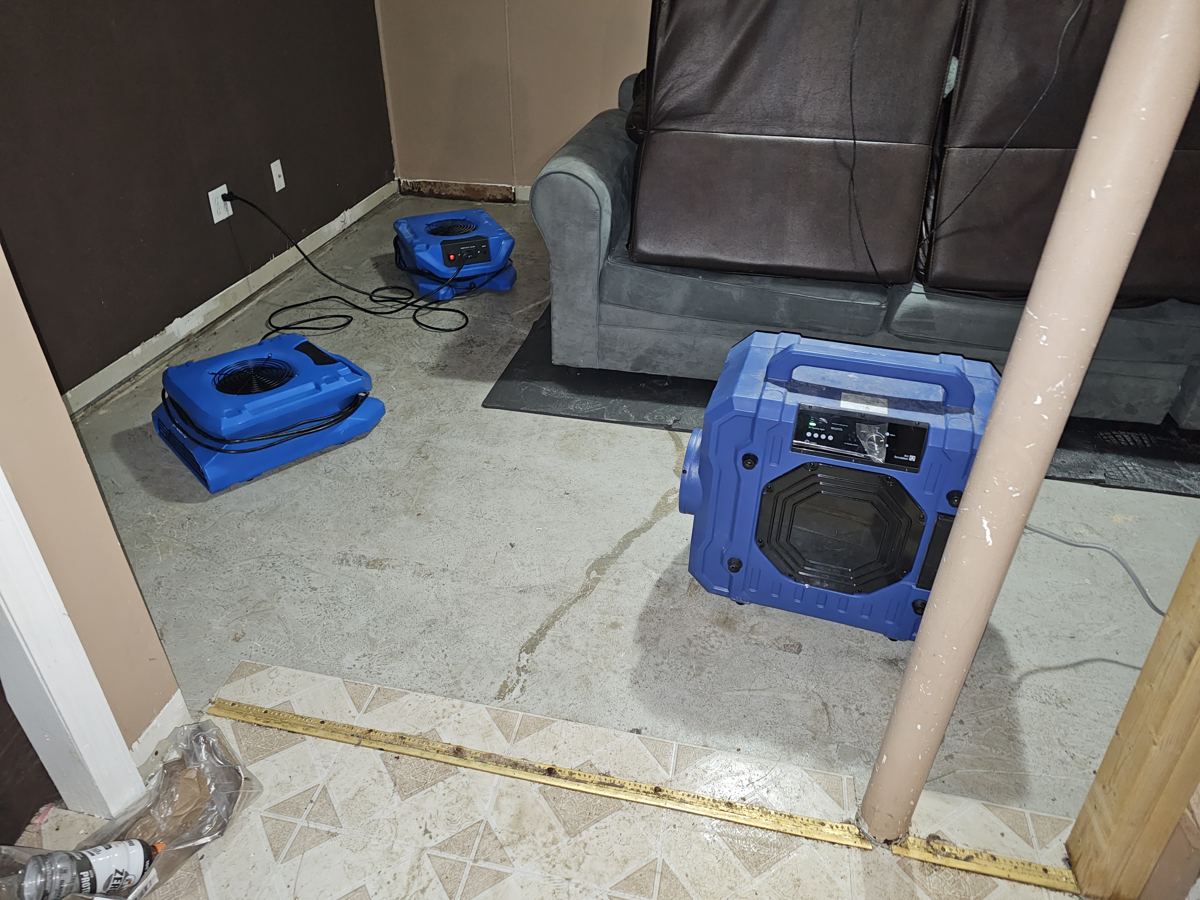
Farmingdale's older ranch and split-level homes often have basements that collect groundwater after heavy rain, and even a small unresolved leak can feed mold growth within days. Addressing the moisture source first — not just the visible mold — is the only way to stop it from coming back.
Poor attic ventilation combined with Long Island's humid summers creates the warm, damp conditions mold thrives on, and a slow roof leak can go unnoticed for months. By the time a musty smell is obvious, mold may have spread across rafters and sheathing well beyond what's visible.
Everyday steam and condensation in bathrooms and kitchens can saturate grout, drywall, and subfloor materials over time, especially in homes where ventilation fans are undersized or vented improperly. Surface cleaning alone won't resolve mold that has penetrated porous building materials.
Every service, every day
Burst pipes, appliance failures, flooded basements — extraction, structural drying, and documented moisture verification.
Learn more →SVC-02Emergency board-up, soot and odor removal, structural cleaning, and full rebuild — one company, start to finish.
Learn more →SVC-03Containment, removal, and independent clearance verification — done to standard, not sprayed and prayed.
Learn more →SVC-04Nor'easters, hurricanes, wind and flood — tarping, board-up, water mitigation, and rebuild, coordinated with your carrier.
Learn more →SVC-05Category 3 extraction, disinfection, and safe disposal with full PPE protocols — protecting your family from contamination.
Learn more →SVC-06Oil burner misfire coating your home in soot? Specialized cleaning for the messiest loss Long Island winters produce.
Learn more →SVC-07From flood cuts to finished rooms — the same company that dried your home rebuilds it under the same claim.
Learn more →SVC-08Fire, break-in, or storm-exposed structure secured fast, 24/7 — required by most policies to prevent secondary damage.
Learn more →SVC-09Inventoried, photographed, cleaned, and stored in our climate-controlled facility — every item documented for your claim.
Learn more →SVC-10Offices, retail, restaurants, multi-family — after-hours work and priority response agreements that minimize interruption.
Learn more →Coverage
Bethpage · Plainedge · North Massapequa · Massapequa · Levittown · East Farmingdale · Melville · Wyandanch · Pinelawn · Amityville
// Near Farmingdale but not listed? Call — we cover all of Nassau County.
What homeowners say
Local questions
Bleach can lighten the appearance of mold on non-porous surfaces like tile, but it does not penetrate porous materials such as drywall, wood framing, or grout — meaning the mold's root structure (hyphae) survives and regrows. On porous surfaces, the water content in bleach can actually add moisture and worsen the problem. Professional remediation uses EPA-registered antimicrobials and physical removal techniques that address mold at the source.
Scrubbing disturbs mold colonies and releases large numbers of spores into the air, which can then settle in other parts of your home and start new growth. Without proper containment — sealed work zones and negative air pressure — a DIY cleanup can spread contamination far beyond the original problem area. Professional remediation contains the affected zone before any disturbance begins.
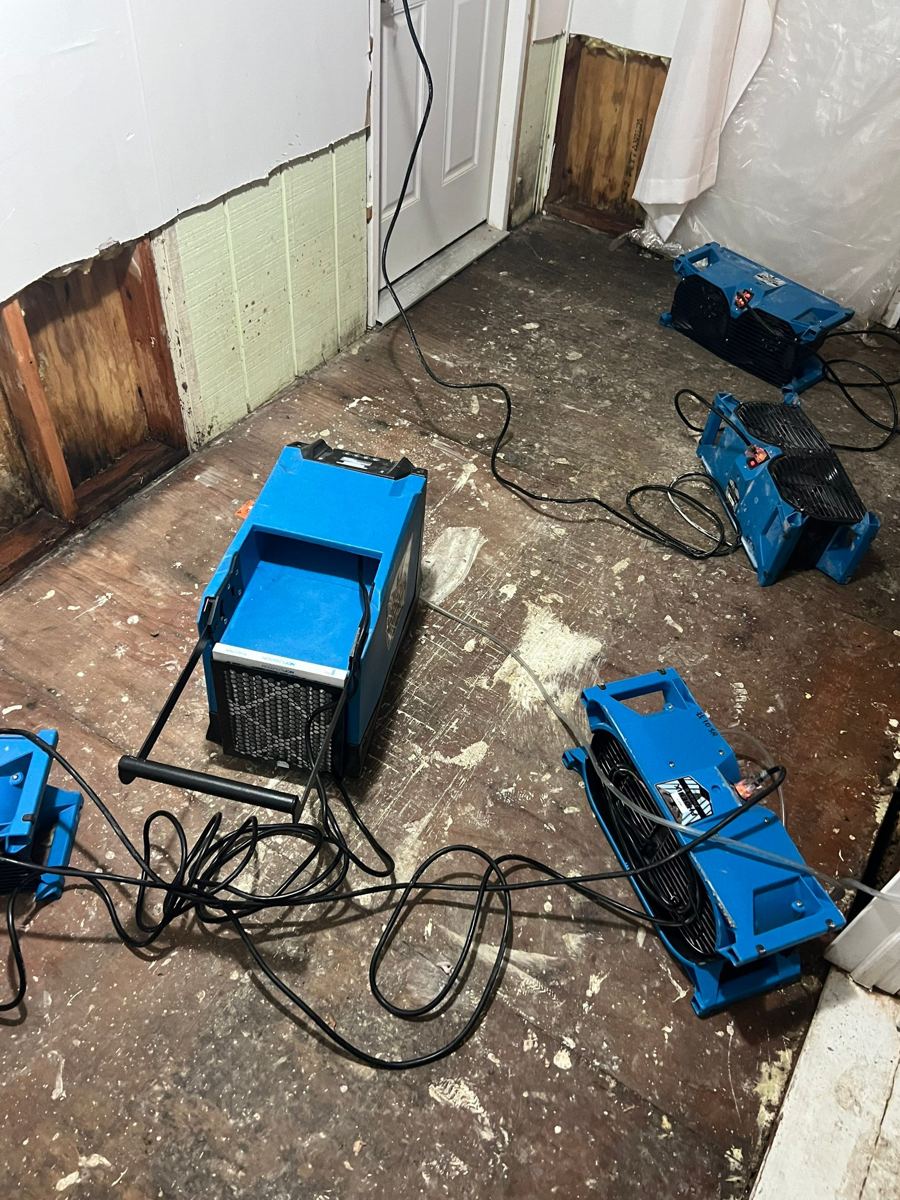
Fixing the leak stops new moisture from entering, but any materials that stayed wet for more than 24 to 48 hours may already have active mold growth. A professional assessment can determine whether affected drywall, insulation, or framing needs to be dried, treated, or removed. Skipping this step after a leak is one of the most common reasons mold returns.
Coverage depends on the cause — mold resulting from a sudden, covered event like a burst pipe is more likely to be covered than mold from long-term neglect or gradual seepage, though every policy is different. We document everything your adjuster needs and bill your insurance company directly, so you're not managing the paperwork alone. We recommend contacting your insurer early in the process to understand your specific coverage.
Real ATC jobs


More ATC services in Farmingdale
Water Damage Restoration in Farmingdale · Mold Remediation in Farmingdale · Sewage Cleanup in Farmingdale · Fire & Smoke Damage Restoration in Farmingdale
Every hour of waiting costs you more
Answered 24/7. Tell us your town — we will tell you exactly when we can be there.