HOME / NASSAU COUNTY / SYOSSET
Service Area · Fast response, 24/7
Syosset's mix of mid-century colonials and split-levels means aging pipes, finished basements, and crawl spaces that can turn a small leak into a serious problem fast. When water gets into your home, a local Long Island crew that knows Nassau County construction can get there quickly and start drying before damage spreads.
(516) 717-9616Tap to call · Answered around the clock
Water damage in Syosset
Many Syosset homes were built in the post-war decades and still carry original or early-replacement supply lines that are prone to pinhole leaks and sudden bursts. Catching and drying these losses early is the difference between a minor repair and a gutted wall.
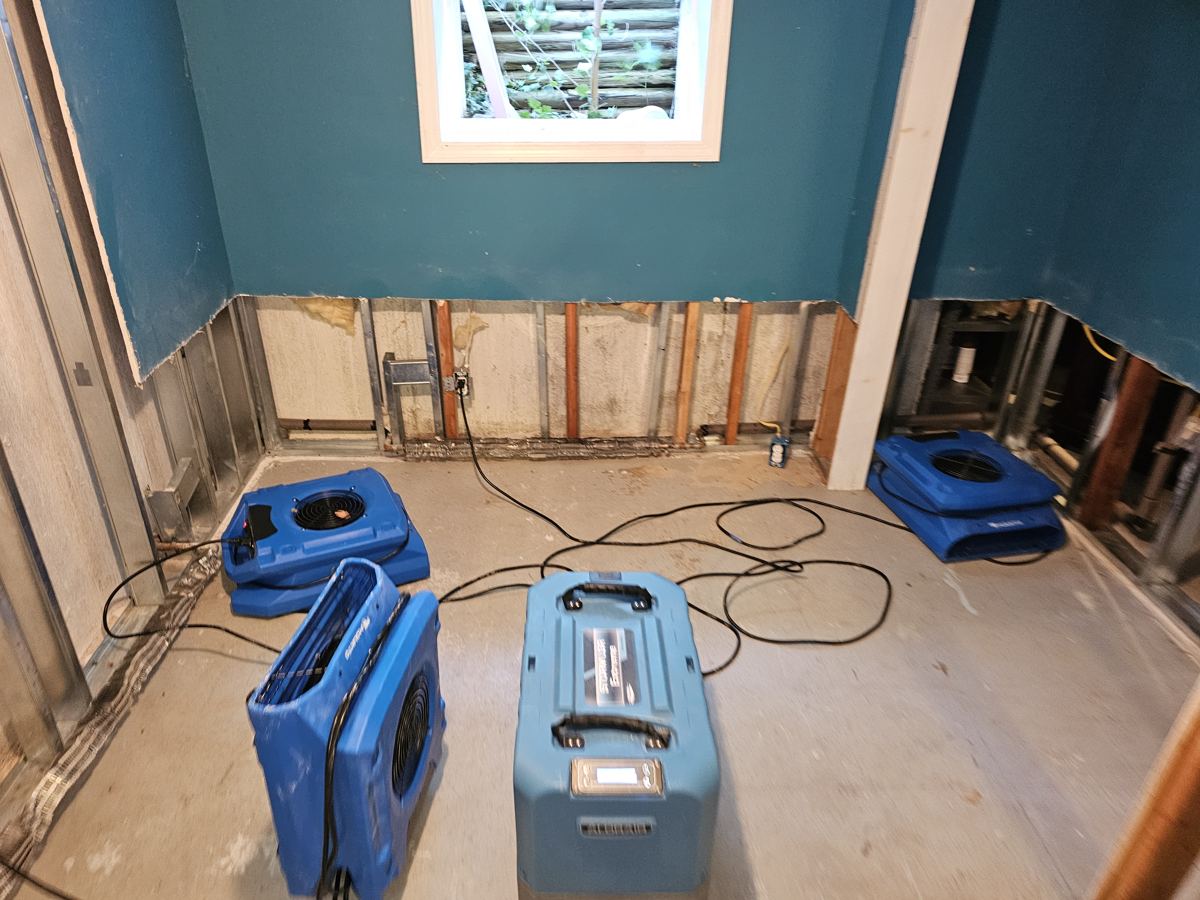
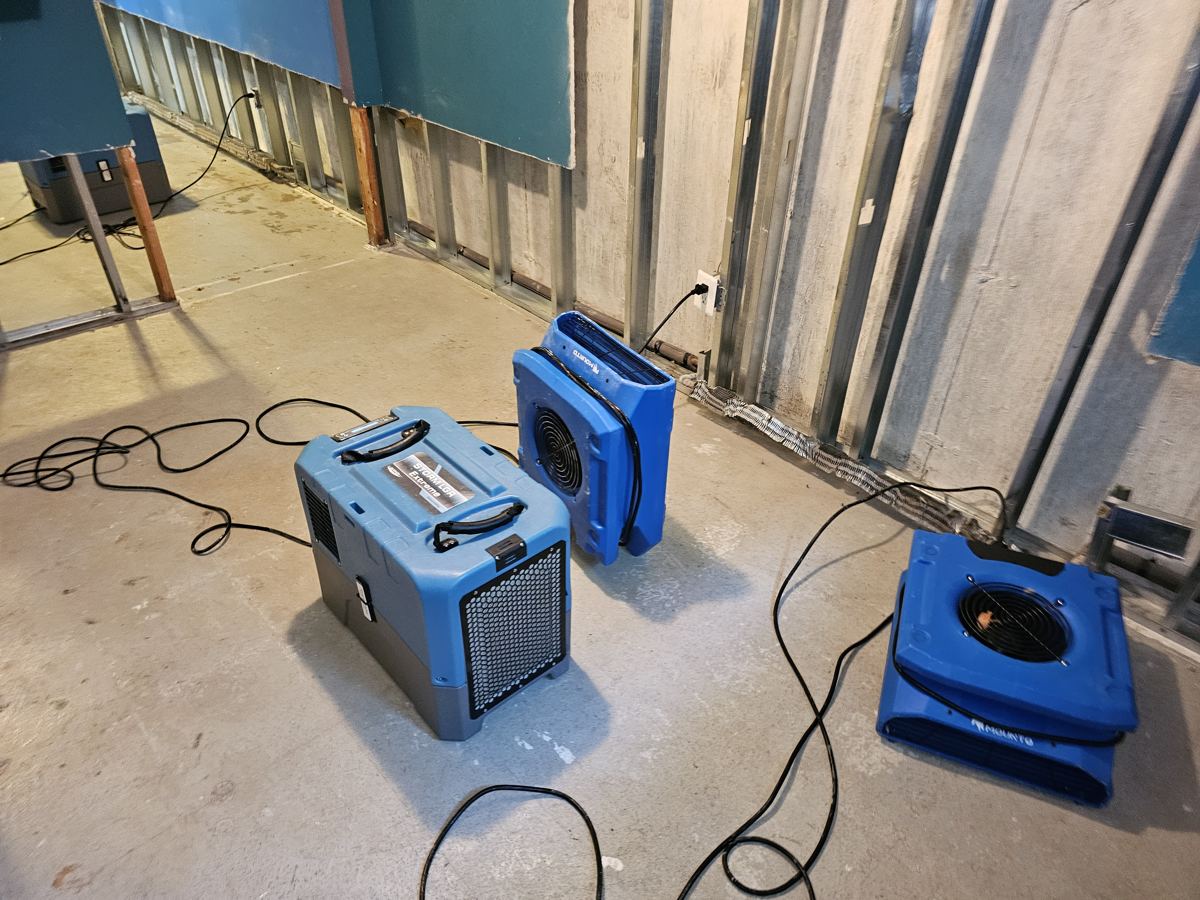
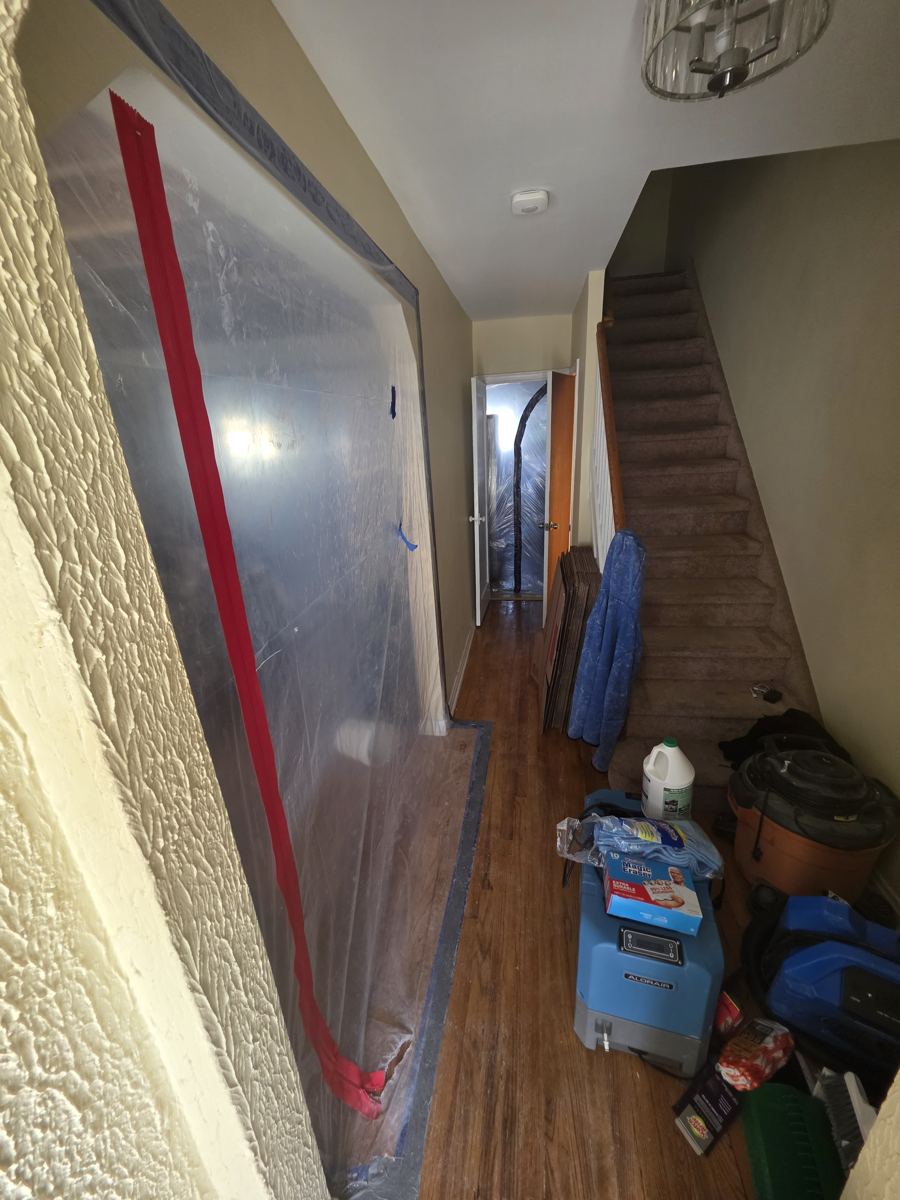
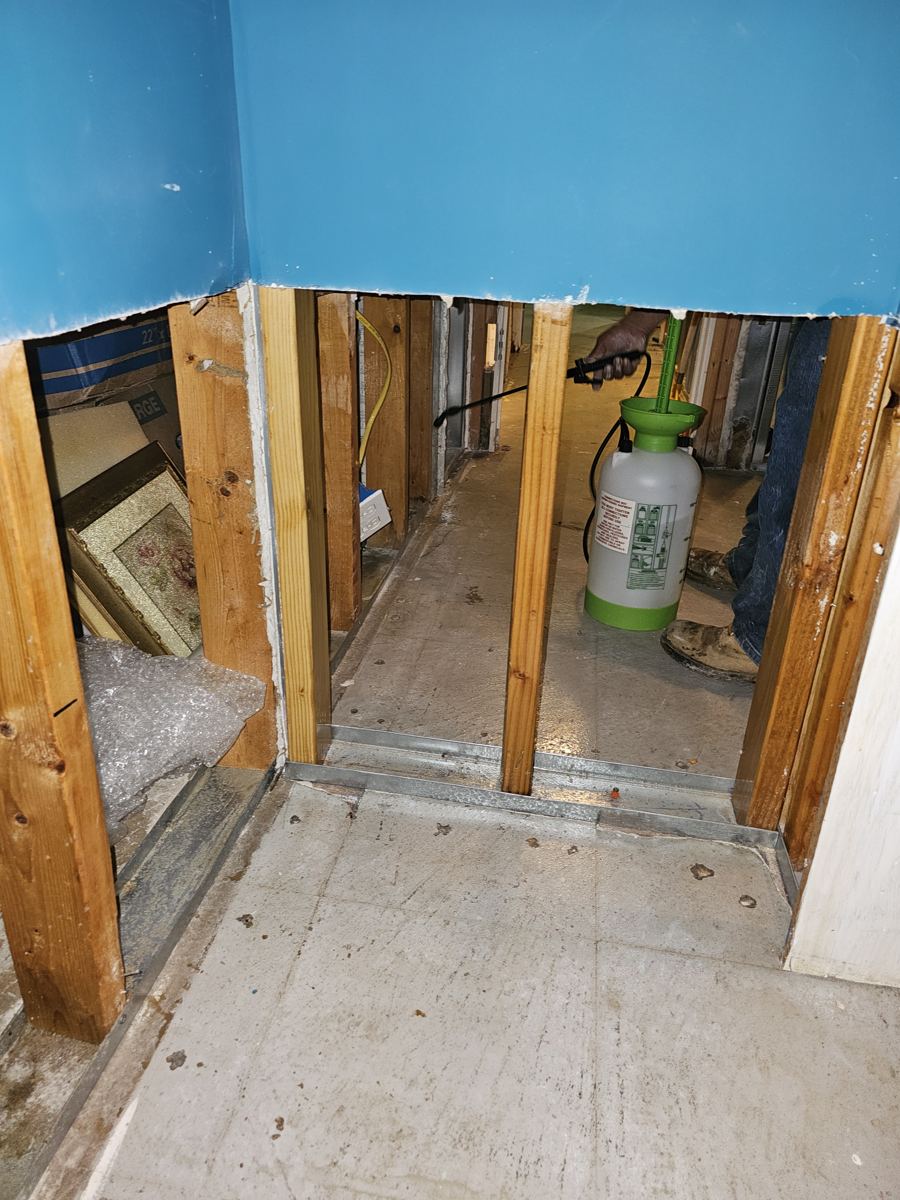
Finished lower levels are common in Syosset neighborhoods, and drywall, carpet padding, and framing can trap water long after the visible puddle is gone. Thorough moisture mapping with professional equipment is the only way to confirm everything is truly dry.
In the humid Long Island climate, mold can begin developing in as little as 24 to 48 hours inside walls and under flooring that were not fully dried. Prompt extraction and structural drying are the most effective way to reduce that risk in your home.
Every service, every day
Burst pipes, appliance failures, flooded basements — extraction, structural drying, and documented moisture verification.
Learn more →SVC-02Same-night board-up, soot and odor removal, structural cleaning, and full rebuild — one company, start to finish.
Learn more →SVC-03Containment, removal, and independent clearance verification — done to standard, not sprayed and prayed.
Learn more →SVC-04Nor'easters, hurricanes, wind and flood — tarping, board-up, water mitigation, and rebuild, coordinated with your carrier.
Learn more →SVC-05Category 3 extraction, disinfection, and safe disposal with full PPE protocols — protecting your family from contamination.
Learn more →SVC-06Oil burner misfire coating your home in soot? Specialized cleaning for the messiest loss Long Island winters produce.
Learn more →SVC-07From flood cuts to finished rooms — the same company that dried your home rebuilds it under the same claim.
Learn more →SVC-08Fire, break-in, or storm-exposed structure secured the same night — required by most policies to prevent secondary damage.
Learn more →SVC-09Inventoried, photographed, cleaned, and stored in our climate-controlled facility — every item documented for your claim.
Learn more →SVC-10Offices, retail, restaurants, multi-family — after-hours work and priority response agreements that minimize interruption.
Learn more →Coverage
Woodbury · Jericho · Cold Spring Harbor · Oyster Bay · Plainview · Hicksville · Bethpage · Muttontown · East Norwich · Laurel Hollow
// Near Syosset but not listed? Call — we cover all of Nassau County.
What homeowners say
Local questions
First, shut off the water at the main valve if the source is a pipe or appliance, and turn off electricity to any affected areas at the breaker panel if you can do so safely without stepping through standing water. Take clear photos and short videos of every affected room, wall, and floor before anything is moved or touched — that documentation is important for your insurance claim. Then call a restoration company so drying equipment can be deployed as soon as possible.
Older homes often have wood framing, plaster, and insulation that absorb moisture deeply and dry slowly, creating ideal conditions for mold growth inside wall cavities and under floors. Mold can begin to develop within 24 to 48 hours in warm, damp spaces, so fast professional drying is the most important step in preventing a secondary mold problem. If mold is already present when we arrive, we can assess the affected area and explain your remediation options.
Most standard homeowner's policies cover sudden and accidental water damage, such as a burst pipe or appliance failure, but coverage for long-term seepage or flooding from outside the home varies by policy. We document everything your adjuster needs and bill your insurance company directly, so you are not left managing paperwork while your home is still wet. We recommend calling your insurer to open a claim as soon as it is safe to do so.
Most residential drying projects take between three and five days depending on the materials affected, the amount of water involved, and how quickly drying equipment was deployed. We use moisture meters and thermal imaging to monitor progress daily and confirm that readings have returned to acceptable levels before equipment is removed. Rushing this step or relying on household fans alone often leaves hidden moisture that leads to mold or structural damage later.
Real ATC jobs


Every hour of waiting costs you more
Answered 24/7. Tell us your town — we will tell you exactly when we can be there.