HOME / NASSAU COUNTY / EAST MEADOW
Service Area · Fast response, 24/7
East Meadow homes — many built in the postwar decades — carry aging pipes, finished basements, and drainage patterns that make water damage a real and recurring risk for local families. When water gets in, a crew that knows Long Island construction and can reach Nassau County fast makes a meaningful difference in how much you can save.
(516) 717-9616Tap to call · Answered around the clock
Water damage in East Meadow
Much of East Meadow was developed in the 1950s and 1960s, meaning supply lines, drain pipes, and water heaters in many homes are well past their expected lifespan. A slow leak behind a wall or under a slab can go unnoticed for weeks and cause serious structural and mold damage before it becomes visible.
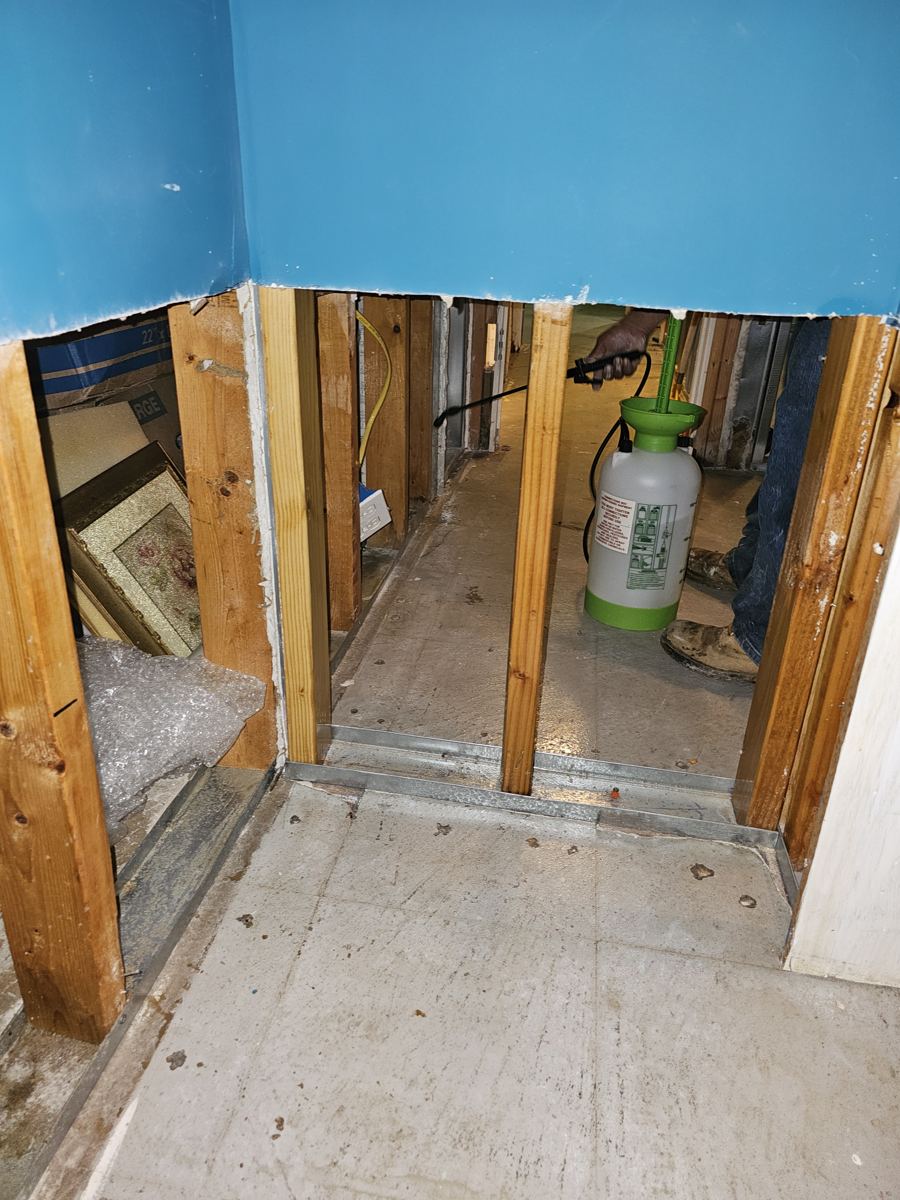
Finished basements are common throughout East Meadow, and they are among the first spaces to flood during heavy rain, sump pump failure, or a backed-up floor drain. Carpet, drywall, and stored belongings absorb water quickly, so the sooner extraction begins, the more can be saved.
Central Nassau County can see significant runoff during nor'easters and summer storms, and low-lying yards or older window wells can channel water directly into living spaces. Combined with the area's relatively flat terrain, even a moderate storm can overwhelm drainage around a foundation.
Every service, every day
Burst pipes, appliance failures, flooded basements — extraction, structural drying, and documented moisture verification.
Learn more →SVC-02Same-night board-up, soot and odor removal, structural cleaning, and full rebuild — one company, start to finish.
Learn more →SVC-03Containment, removal, and independent clearance verification — done to standard, not sprayed and prayed.
Learn more →SVC-04Nor'easters, hurricanes, wind and flood — tarping, board-up, water mitigation, and rebuild, coordinated with your carrier.
Learn more →SVC-05Category 3 extraction, disinfection, and safe disposal with full PPE protocols — protecting your family from contamination.
Learn more →SVC-06Oil burner misfire coating your home in soot? Specialized cleaning for the messiest loss Long Island winters produce.
Learn more →SVC-07From flood cuts to finished rooms — the same company that dried your home rebuilds it under the same claim.
Learn more →SVC-08Fire, break-in, or storm-exposed structure secured the same night — required by most policies to prevent secondary damage.
Learn more →SVC-09Inventoried, photographed, cleaned, and stored in our climate-controlled facility — every item documented for your claim.
Learn more →SVC-10Offices, retail, restaurants, multi-family — after-hours work and priority response agreements that minimize interruption.
Learn more →Coverage
Levittown · Westbury · Old Westbury · Uniondale · Hempstead · Garden City · Carle Place · Salisbury
// Near East Meadow but not listed? Call — we cover all of Nassau County.
What homeowners say
Local questions
First, shut off the water at the main valve if the source is a broken pipe or appliance, and turn off electricity to any affected rooms at the breaker panel — standing water and live outlets are a serious hazard. Once it is safe, take clear photos and short videos of every affected area before moving anything, because that documentation matters for your insurance claim. Then call a restoration company so drying equipment can be deployed as quickly as possible — the longer water sits, the deeper it travels into flooring, walls, and framing.
Most standard homeowner's policies cover sudden and accidental water damage — such as a burst pipe or appliance failure — but typically exclude gradual leaks or flood water from outside the home, which usually requires separate flood insurance. We document everything your adjuster needs and bill your insurance company directly, so you are not left managing paperwork while your basement is still wet. It is always worth calling your insurer promptly, because many policies have time requirements for reporting a loss.
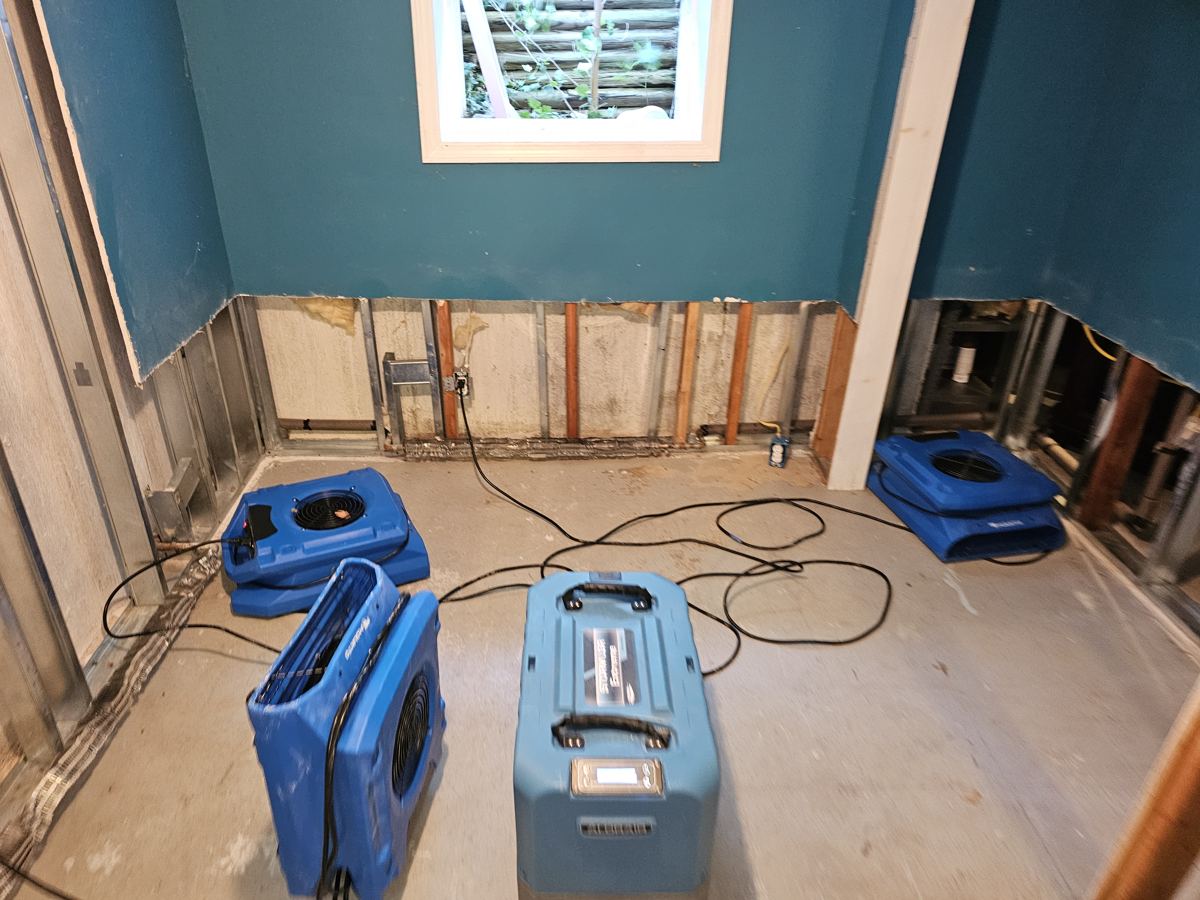
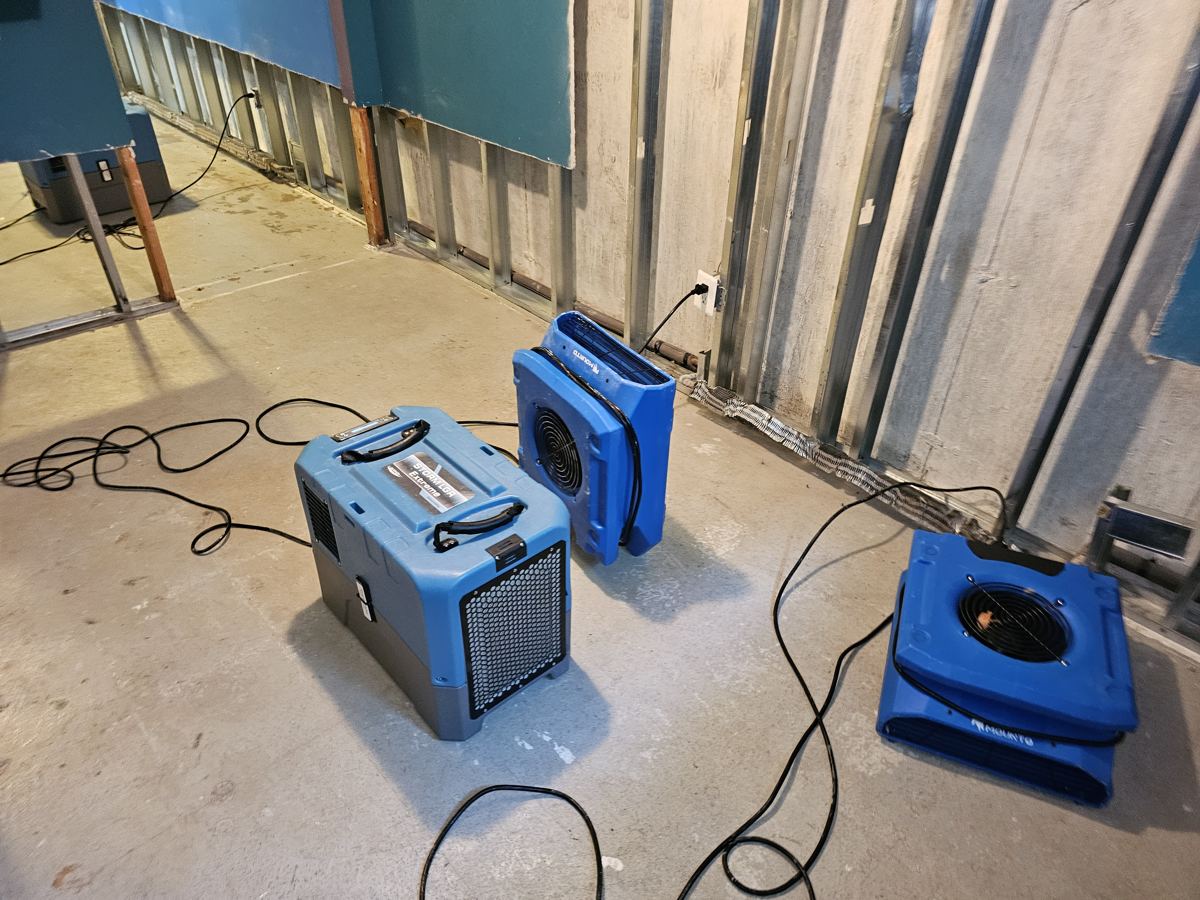
Drying time depends on how much water entered, what materials were affected, and how quickly extraction began, but most residential drying projects take between three and five days of continuous dehumidification and air movement. We use moisture meters to monitor walls, floors, and framing throughout the process so equipment is not removed before the structure is genuinely dry. Pulling equipment too early is one of the most common reasons mold develops after a water loss.
Yes — we use non-invasive moisture meters and thermal imaging to locate hidden moisture in wall cavities, under hardwood, and beneath tile before deciding what needs to be opened up. This approach helps limit unnecessary demolition while still ensuring no wet material is left behind to grow mold. If removal is necessary, we explain exactly what needs to come out and why before any work begins.
Real ATC jobs


Every hour of waiting costs you more
Answered 24/7. Tell us your town — we will tell you exactly when we can be there.