HOME / SUFFOLK COUNTY / COPIAGUE
Service Area · Fast response, 24/7
Copiague's proximity to the Great South Bay, its canal-front streets, and its stock of mid-century homes make water damage a real and recurring risk for local homeowners. When a pipe bursts or a storm pushes water inside, ATC Restoration's Long Island crew can reach you fast, 24/7, with the equipment and experience to stop the damage before it spreads.
(516) 717-9616Tap to call · Answered around the clock
Water damage in Copiague
Homes along Copiague's waterfront canals and low-lying streets are vulnerable to storm surge and tidal flooding, especially during nor'easters and heavy rain events. Water that enters from outside is often contaminated and needs professional extraction, not just a shop vac.
Much of Copiague's housing stock was built in the postwar decades, meaning original supply lines, drain pipes, and water heaters may be well past their expected lifespan. A sudden pipe failure in an older home can release a significant amount of water before the shutoff is even located.
Overwhelmed municipal sewer lines during heavy storms can force raw sewage back up through floor drains and toilets in Copiague homes. This is a serious health hazard that requires trained technicians with proper protective equipment — not a DIY cleanup.
Every service, every day
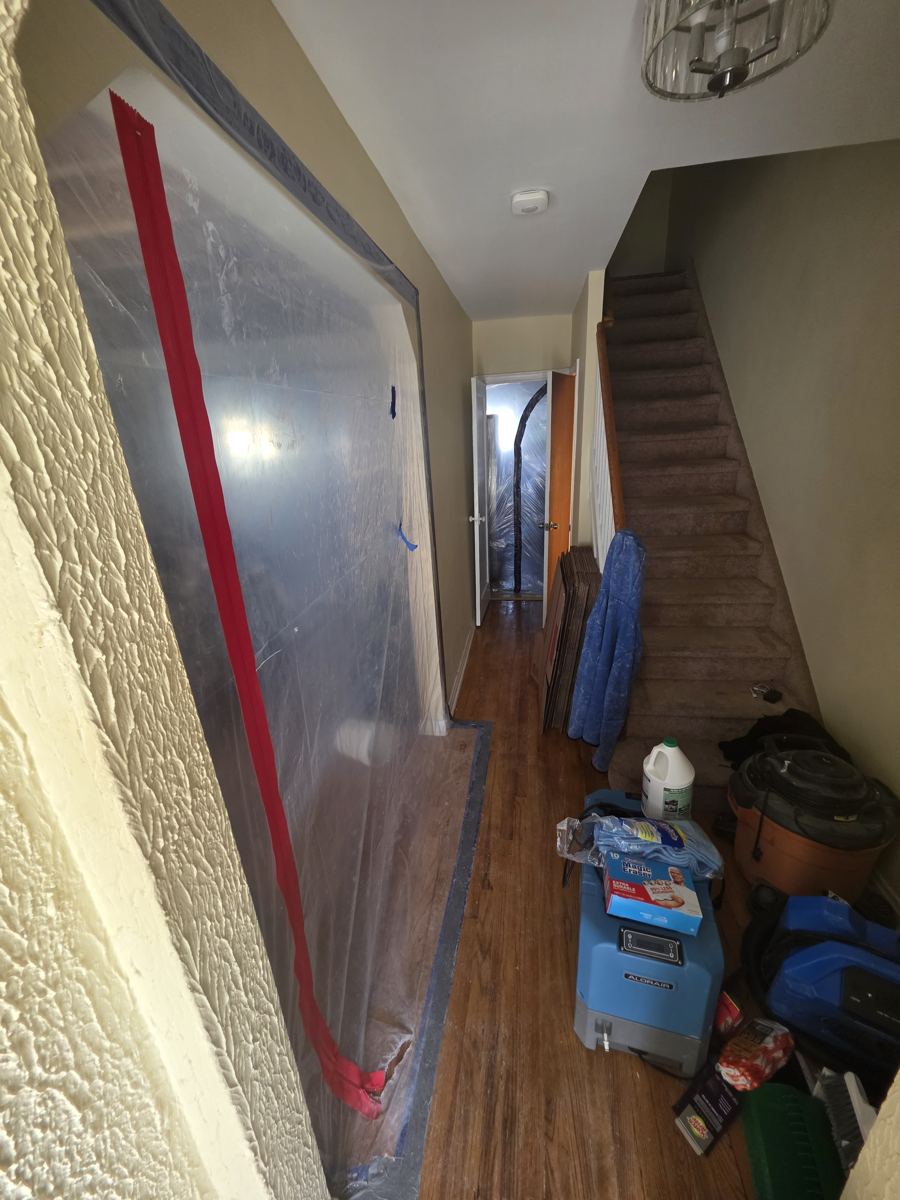
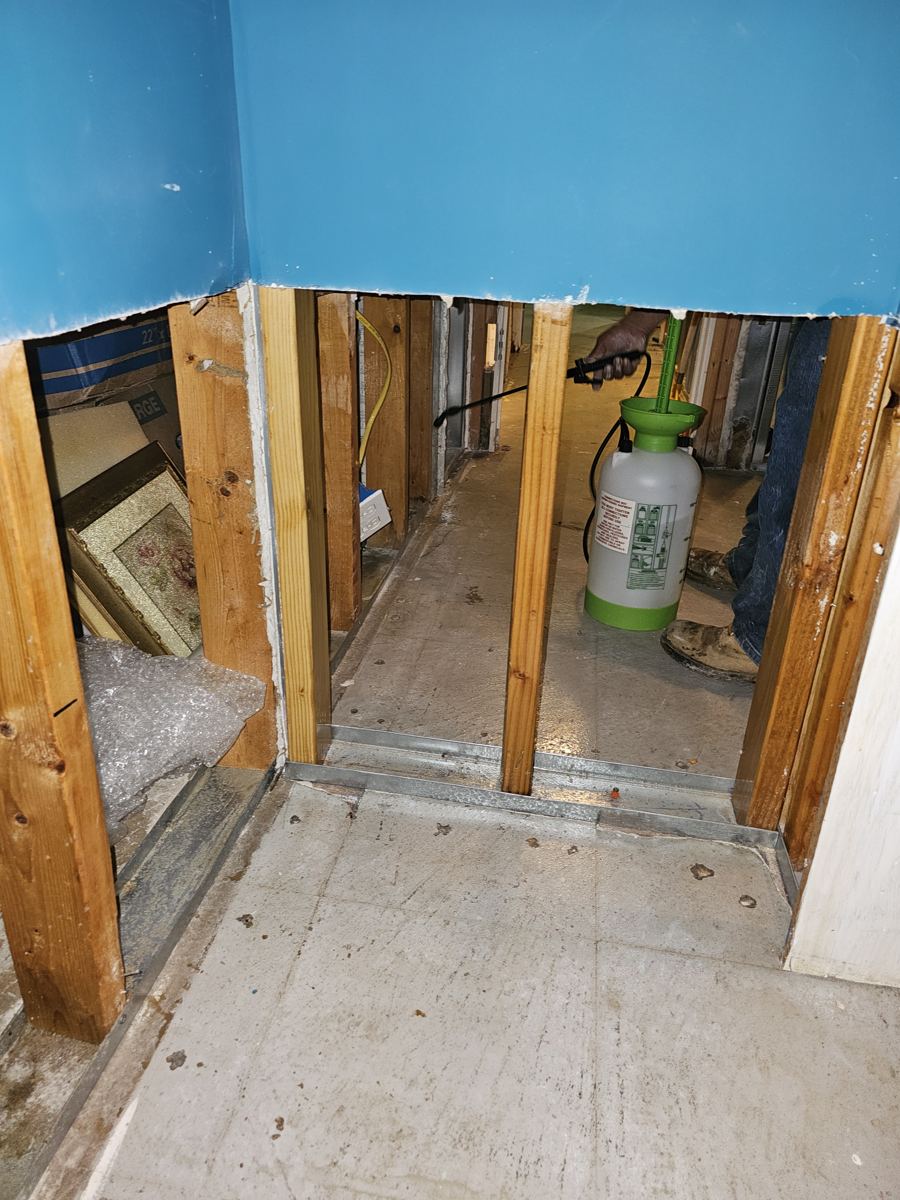
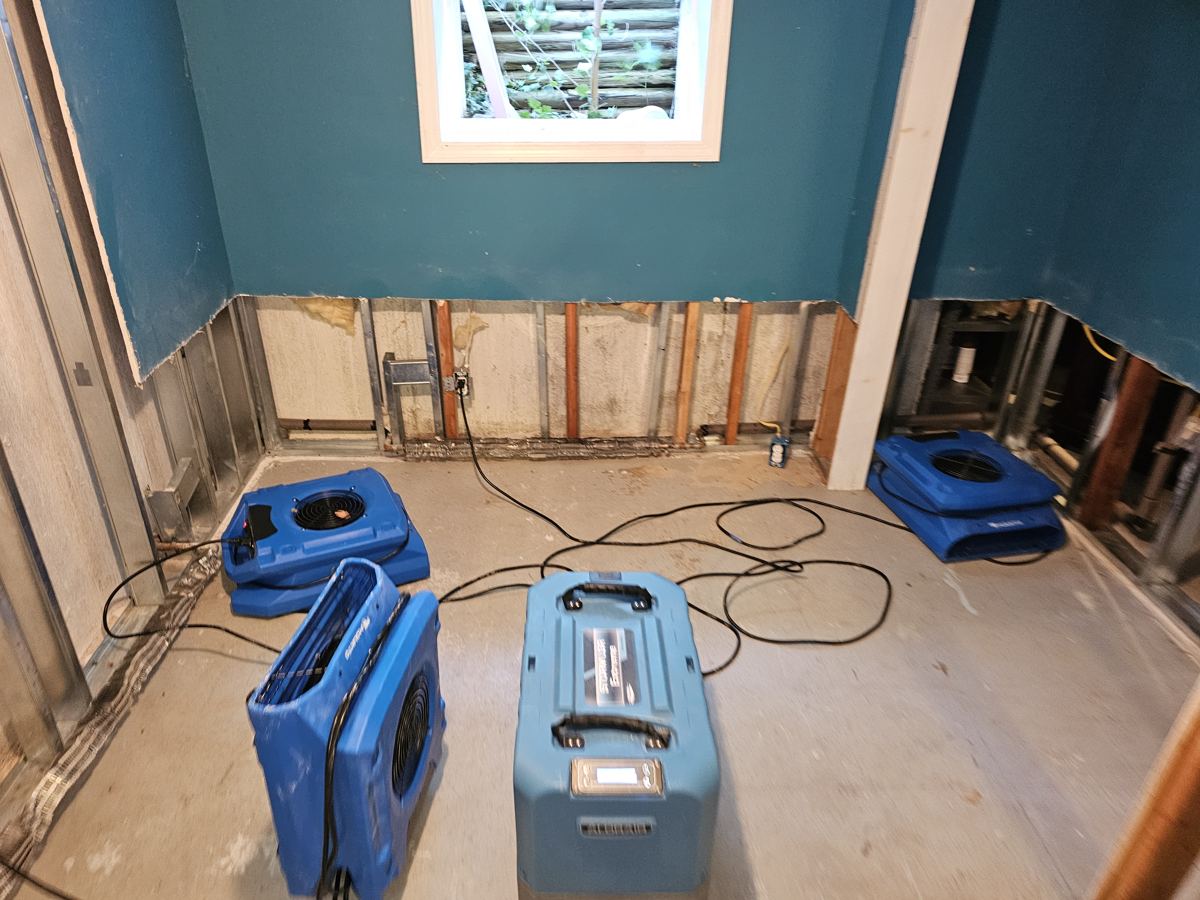
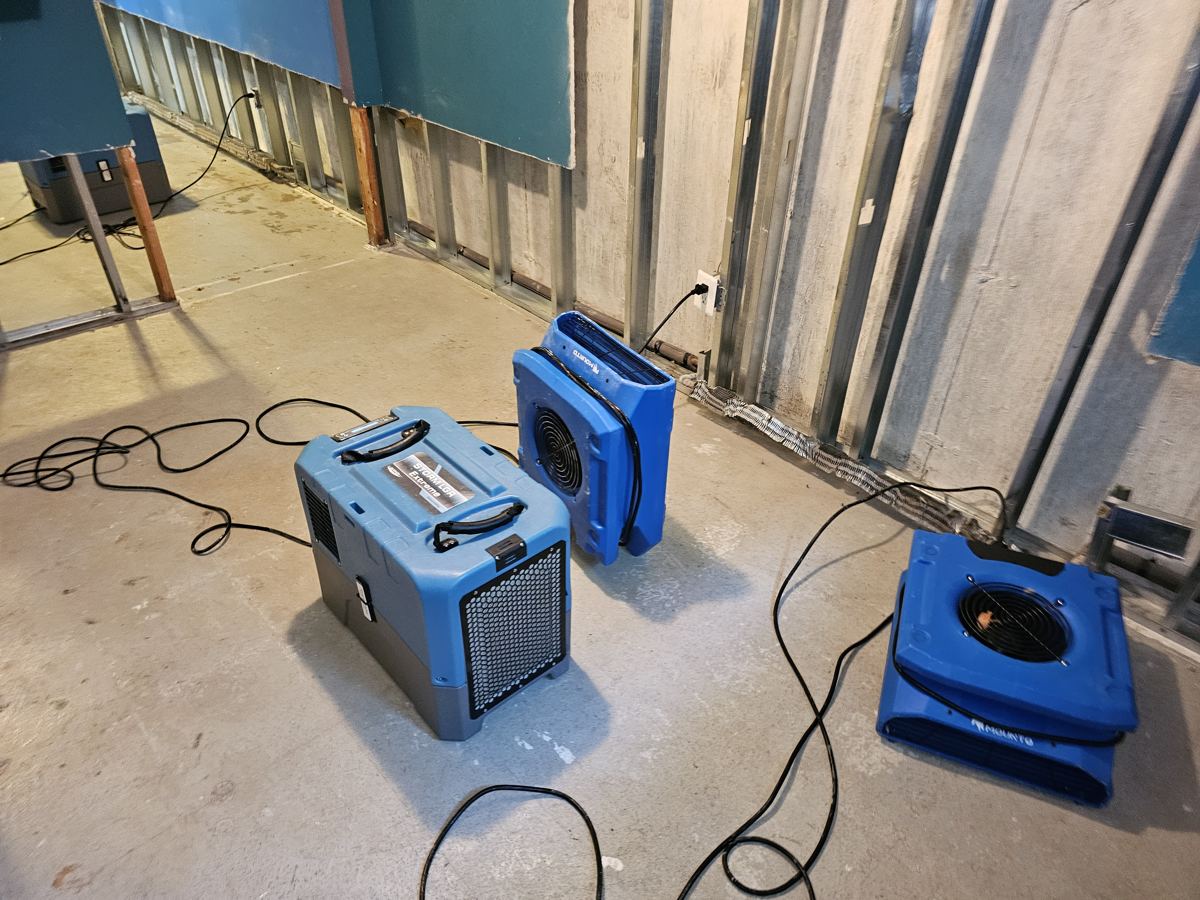
Burst pipes, appliance failures, flooded basements — extraction, structural drying, and documented moisture verification.
Learn more →SVC-02Same-night board-up, soot and odor removal, structural cleaning, and full rebuild — one company, start to finish.
Learn more →SVC-03Containment, removal, and independent clearance verification — done to standard, not sprayed and prayed.
Learn more →SVC-04Nor'easters, hurricanes, wind and flood — tarping, board-up, water mitigation, and rebuild, coordinated with your carrier.
Learn more →SVC-05Category 3 extraction, disinfection, and safe disposal with full PPE protocols — protecting your family from contamination.
Learn more →SVC-06Oil burner misfire coating your home in soot? Specialized cleaning for the messiest loss Long Island winters produce.
Learn more →SVC-07From flood cuts to finished rooms — the same company that dried your home rebuilds it under the same claim.
Learn more →SVC-08Fire, break-in, or storm-exposed structure secured the same night — required by most policies to prevent secondary damage.
Learn more →SVC-09Inventoried, photographed, cleaned, and stored in our climate-controlled facility — every item documented for your claim.
Learn more →SVC-10Offices, retail, restaurants, multi-family — after-hours work and priority response agreements that minimize interruption.
Learn more →Coverage
Copiague Harbor · Amityville · Lindenhurst · North Amityville · Wyandanch · West Babylon · Babylon Village · North Lindenhurst · Massapequa · Seaford
// Near Copiague but not listed? Call — we cover all of Suffolk County.
What homeowners say
Local questions
First, shut off the water at the main valve if the source is a burst pipe or appliance failure, and turn off electricity to any affected rooms at the breaker panel if you can do so safely without stepping through standing water. Take photos and short videos of everything before moving anything — your insurance adjuster will need that documentation. Then call a restoration company right away, because the longer water sits, the deeper it penetrates into floors, walls, and framing.
Please do not attempt to clean up a sewage backup on your own. Sewage is classified as Category 3 water — it contains bacteria, viruses, and other pathogens that pose a genuine health risk through skin contact or inhalation. Proper remediation requires personal protective equipment, commercial-grade disinfectants, and the safe disposal of contaminated materials according to health guidelines — all things a trained restoration crew handles so you and your family stay safe.
Coverage depends on the cause of the damage and the specific terms of your policy — sudden pipe bursts are typically covered, while long-term seepage or flood damage from outside the home often requires a separate flood policy. ATC documents the damage thoroughly, provides the reports and photos your adjuster needs, and bills your insurance company directly so you are not out of pocket waiting for reimbursement. We recommend calling your insurer to open a claim as soon as possible.
Mold can begin to develop on wet building materials within 24 to 48 hours under the right conditions of warmth and humidity — both common in a Long Island home in summer. Getting water extracted and the structure dried down quickly is the most effective way to reduce mold risk. If you notice a musty odor or visible growth after a water event, let us know and we will assess the situation.
Real ATC jobs


Every hour of waiting costs you more
Answered 24/7. Tell us your town — we will tell you exactly when we can be there.